Vital Advice for Learning Pet Training in your home
Grasping canine training in the house requires a critical method. Perseverance, positivity, and consistency are key elements. Establishing a regular assists create a complacency for the pet. Using positive support builds trust fund and communication. Lots of owners have a hard time with maintaining rate of interest and engagement during training sessions. Understanding exactly how to navigate these obstacles can result in a lot more effective training results. What approaches might be most helpful in conquering these typical barriers?
Establish a Constant Regimen
When training a canine, developing a regular routine is necessary for fostering etiquette and a strong bond in between the proprietor and pet dog. A structured routine gives dogs with a sense of safety, aiding them recognize what to expect each day. Routine feeding times, exercise, and training sessions produce a foreseeable setting, which can lower anxiousness and promote a sense of security.
Owners must intend to integrate everyday tasks at the exact same time to strengthen this regimen. Early morning strolls, play, and training workouts need to take place continually. In addition, including commands and signs throughout these tasks can better improve discovering.
Use Favorable Reinforcement
A constant routine prepares for reliable training, yet the approaches made use of throughout training sessions substantially affect a pet dog's knowing experience. Positive reinforcement emerges as an effective device fit desired behaviors. This approach involves compensating a pet for showing certain actions, efficiently encouraging them to duplicate those habits (Dog Training Near Me). Rewards can consist of deals with, praise, or playtime, developing a positive organization with the activity carried out
Utilizing favorable reinforcement fosters a bond of trust fund between the dog and instructor, improving communication and understanding. It is crucial to supply rewards immediately after the wanted habits to reinforce the link. Consistency in using this technique ensures the dog can plainly connect the behavior with the incentive. Additionally, staying clear of punishment or negative support can result in an extra enthusiastic and positive student. By concentrating on positive support, trainers can produce an encouraging environment where pet dogs thrive and find out effectively.
Keep Training Procedure Short and Enjoyable
Effective pet dog training requires keeping sessions brief and interesting to keep the canine's attention and interest. Generally, sessions must last no more than 10 to 15 mins, as pets have limited interest periods. By concentrating on quick intervals, instructors can protect against irritation for both the pet and the handler, improving the finding out experience.
Incorporating play and positive interactions into training can make sessions pleasurable. Making use of playthings, deals with, or appreciation as incentives not just motivates the dog but likewise strengthens the bond between the family pet and fitness instructor. Altering tasks regularly can additionally aid maintain the pet dog's rate of interest alive, as different tasks promote mental engagement.
Moreover, finishing each session on a favorable note, such as celebrating a small victory, assures the pet links training with enjoyable. Inevitably, maintaining training sessions delightful and brief promotes effective understanding and reinforces the general training procedure.
Set Realistic Goals
Setting realistic objectives is crucial for effective pet dog training. Fitness instructors ought to begin by reviewing their pet dog's behavior propensities and current abilities, enabling them to develop possible goals. For instance, instead of going for intricate commands, beginning with fundamental hints like "rest" or "stay" can foster a feeling of accomplishment.
Additionally, breaking down bigger goals right into smaller, manageable actions helps preserve inspiration for both the fitness instructor and the pet. This strategy also enables changes along the road, ensuring that difficulties do not become overwhelming.
It is important to acknowledge that each pet learns at its own speed; perseverance is key. Keeping expectations based helps avoid aggravation and motivates regular progression. Dog Training Near Me. In conclusion, setting practical objectives not only enhances the training experience but additionally reinforces the bond between the canine and the fitness instructor, leading to a more harmonious and efficient training journey
Socialize Your Pet dog
Accomplishing practical training objectives lays the foundation for a well-rounded dog, but socialization plays a significant role in a canine's advancement. Interacting socially a pet entails exposing it to different atmospheres, individuals, and other animals, which aids to develop self-confidence and reduce anxiety. Early socialization, preferably in between three and fourteen weeks of age, is essential for forming a dog's actions and temperament. This exposure permits dogs to discover ideal communications and develop essential social abilities.
Proprietors ought to introduce their canines to different circumstances progressively, making certain each experience is satisfying and positive. Checking out parks, going to pup courses, or arranging playdates with other pets can assist in these interactions. In addition, finding out and observing other pets from their habits can further boost a canine's social abilities. Eventually, consistent and favorable socialization cultivates a well-adjusted canine that comfortably browses various social setups throughout its life.
Be Client and Relentless
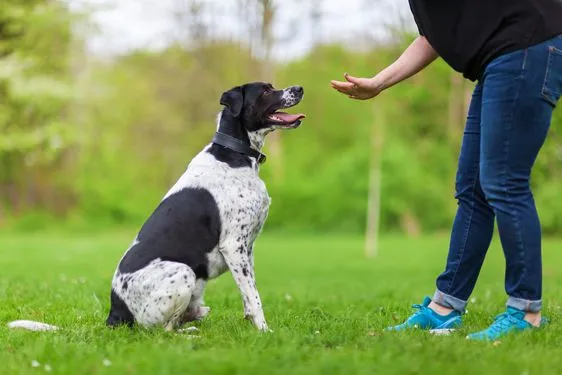
Persistence is essential. Routine practice strengthens habits and commands, ensuring that the pet dog retains what has actually been learned. It is necessary to commemorate small triumphes, as they motivate both the pet dog and the owner to maintain proceeding. Recognizing problems as component of the journey rather than failures can assist preserve motivation. Inevitably, a person and consistent technique not only builds a more powerful bond in between canine and owner yet additionally lays the structure for reliable training and long-term obedience.
Incorporate Educating Into Every Day Life
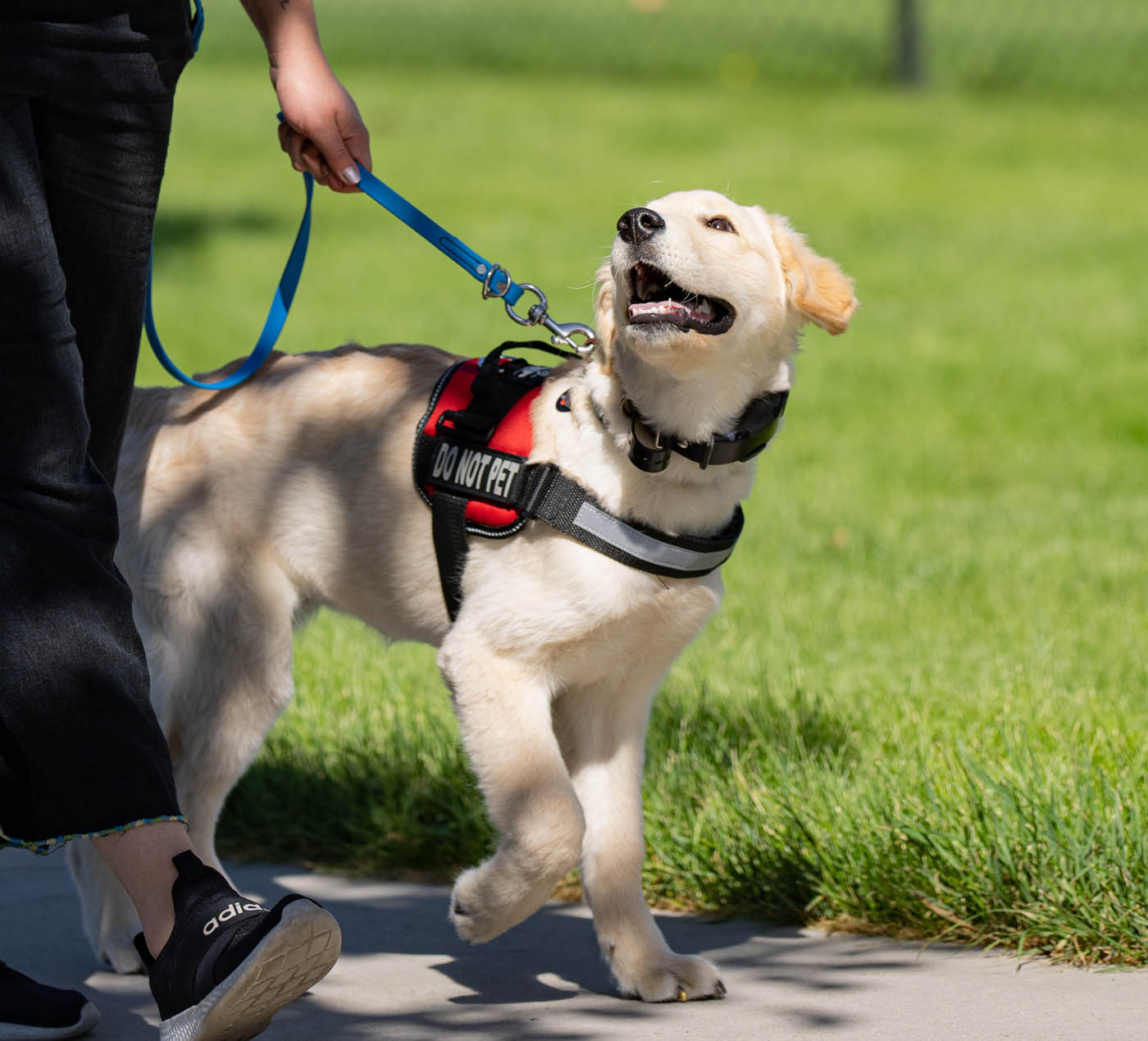
Incorporating training right into everyday life can enhance a pet's understanding experience. Routine tasks, such as strolling or feeding, existing useful chances for positive support. By perfectly blending training with daily actions, proprietors can cultivate far better habits in their pets gradually.
Daily Routine Assimilation
How can pet owners seamlessly mix training into their daily regimens? By integrating training sessions right see it here into everyday tasks, owners can improve their canine's discovering experience. Basic commands can be exercised during walks, such as "rest" prior to crossing streets or "heel" while steering through parks. Feeding time provides another chance; proprietors can incorporate commands like "wait" or "leave it" before offering the food dish. Furthermore, play can serve as a training school for commands like "fetch" or "drop it." Uniformity is key; by installing training right into routine activities, pet dogs learn that commands are appropriate in different contexts. This approach not only strengthens understanding yet also strengthens the bond between the pet dog and its proprietor.
Favorable Reinforcement Opportunities
Educating possibilities are plentiful throughout a dog's day-to-day live, particularly when incorporated with favorable check this site out support strategies. Day-to-day tasks provide moments for training, such as during walks, feeding times, or play sessions. As an example, awarding a pet dog for sitting prior to getting food boosts obedience while cultivating a positive association with commands. Commending a pet for comfortably greeting guests enhances preferable habits. Incorporating training right into play, like utilizing fetch to exercise have a peek at this site commands, can additionally work. Owners should continue to be constant, utilizing treats, appreciation, or toys as rewards to encourage etiquette. By integrating training seamlessly right into daily regimens, proprietors can grow a well-behaved canine while strengthening their bond, making the training procedure pleasurable for both events.
Often Asked Questions
What Age Is Ideal to Begin Training My Pet Dog?
Figuring out the very best age to begin training a pet varies; nonetheless, professionals frequently advise beginning around 8 weeks. Early training fosters socializing, establishes regimens, and helps form favorable habits, advertising a well-adjusted, obedient friend.
How Can I Quit My Dog From Barking Exceedingly?
To reduce extreme barking, one reliable technique involves determining triggers, giving constant training commands, and fulfilling peaceful actions. Additionally, routine workout and mental excitement can help lessen unneeded barking by dealing with dullness or anxiety.
What Should I Do if My Pet Dog Comes To Be Aggressive?
When a canine presents aggression, it is necessary to remain tranquil and avoid conflict. Identifying triggers, seeking specialist help, and using positive reinforcement methods can properly manage and decrease hostile actions in dogs.
Exactly how Do I Pick the Right Training Devices?
Choosing the right training tools involves assessing the pet dog's training, character, and dimension objectives. Research study different choices, get in touch with specialists, and focus on humane, reliable devices that advertise positive reinforcement for a successful training experience.
Can I Train My Dog Without Expert Aid?
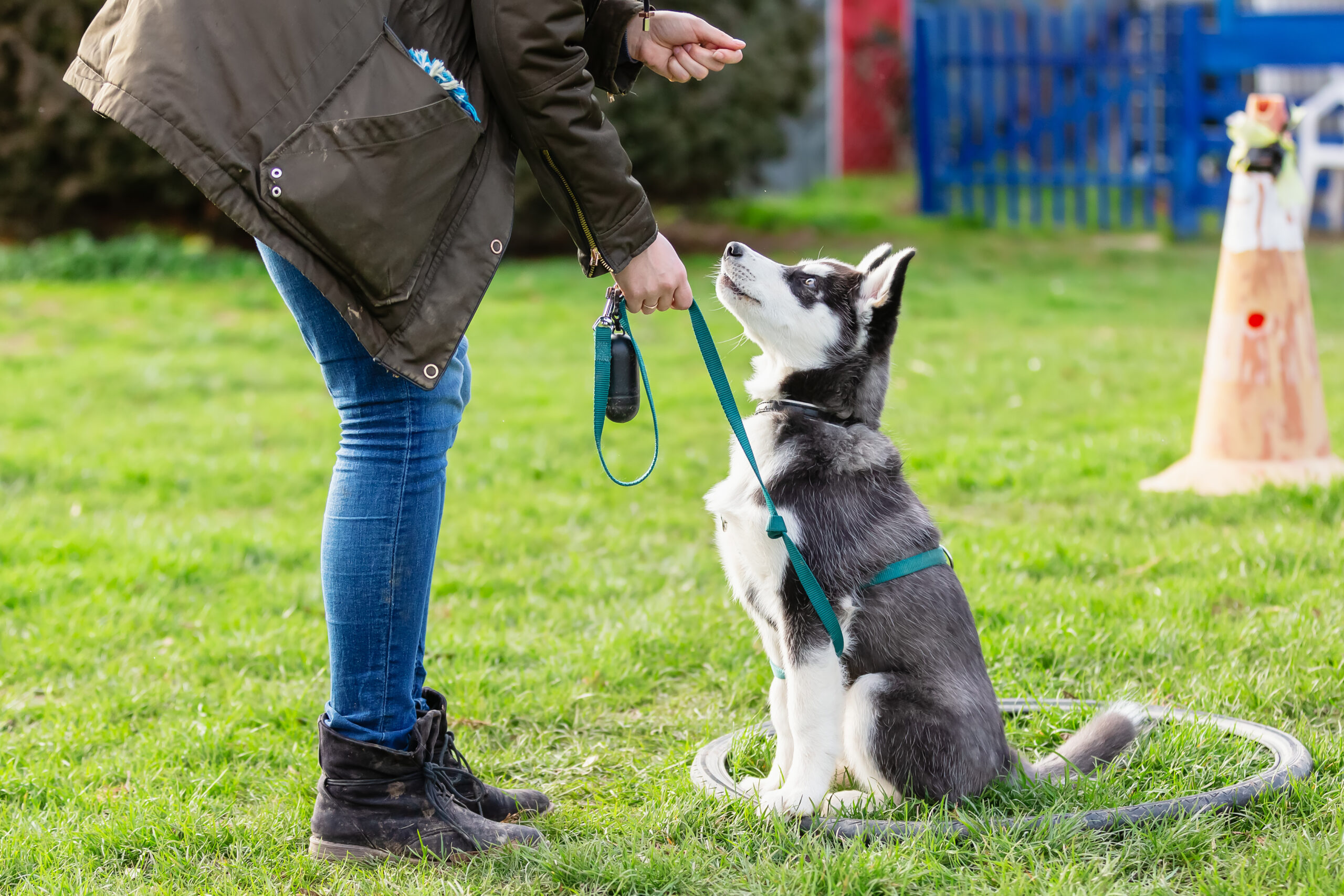
Educating a canine without specialist aid is possible for several owners. With commitment, perseverance, and regular practice, individuals can successfully instruct standard commands and enhance positive behaviors, promoting a solid bond in between them and their pet.
A constant routine lays the foundation for reliable training, yet the methods utilized during training sessions substantially influence a canine's discovering experience. Reliable dog training requires keeping sessions interesting and brief to keep the pet's attention and enthusiasm. Accomplishing sensible training objectives lays the foundation for a well-rounded canine, but socialization plays a considerable function in a canine's advancement. Furthermore, observing various other pet dogs and discovering from their habits can additionally boost a pet dog's social abilities. Selecting the best training tools includes assessing the canine's size, training, and temperament objectives.
Comments on “Why Consistency Matters in Dog Training Near Me Programs”